How to read the auction price
Published 14 September 2026
The high price in the news is not the price you get. Here is which number to look at.
Read this inമലയാളം
Every auction puts out a few numbers — the highest price, the average price, the quantity offered and the quantity sold. The least useful of them is the highest price.
The high price belongs to one lot
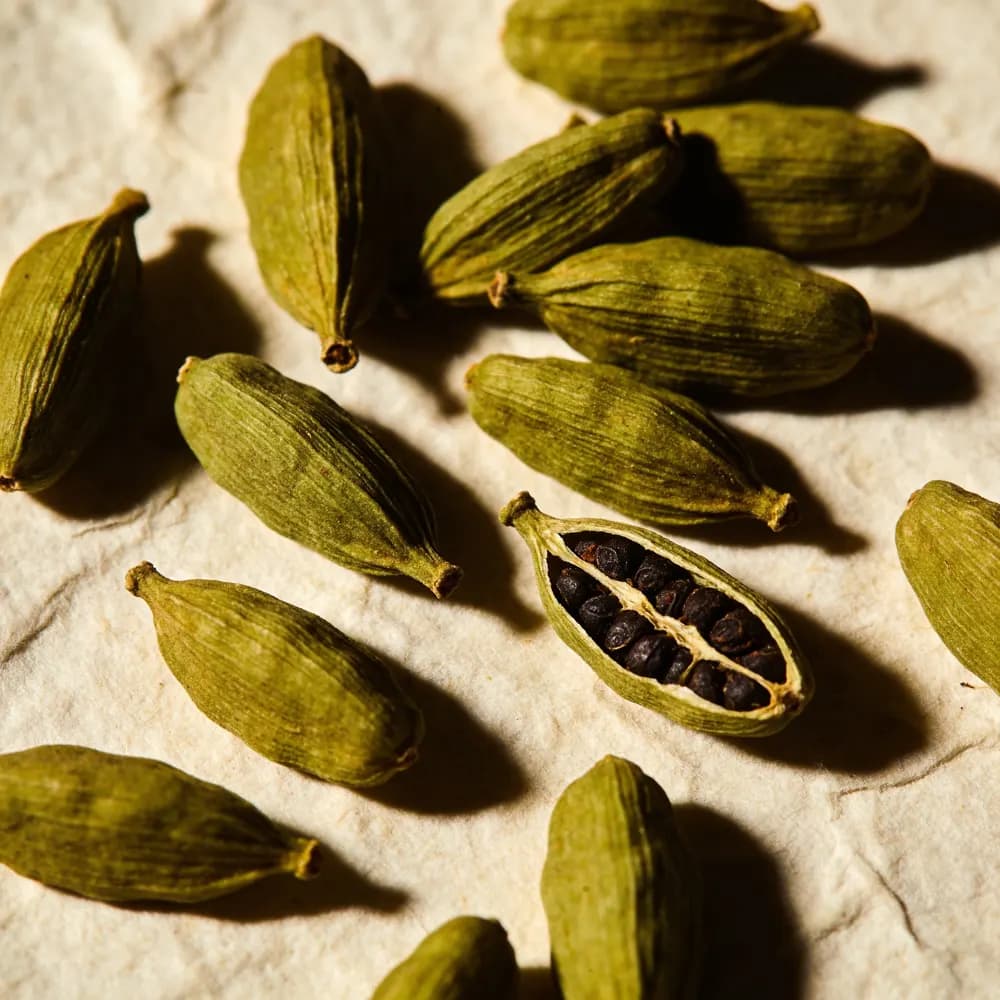
It is what the best material of the day fetched: bold capsules, good green colour, dried well. That is one lot's price, not the day's price. If your material is not at that standard, that number is not yours.
The average is the day's price
It covers everything that actually sold that day, and it is the closest number to where your own material will land. It is the average that Thottam shows on its public pages.
Look at the quantities too
A lot offered and little sold means there were no buyers that day, and the next auction is likely to stay soft. The other way round means there is demand.
Do not decide on one day
The price moves from auction to auction. Two or three weeks of averages show you a direction; holding material back because of one day's high price usually ends badly. Write down what you actually sold at each time, and you can hold your own number against the auction average instead of guessing.
Keep your own numbers
Thottam is a record book for a cardamom farm — each day's pick, what you sold, what you spent. Free for six months.
Try Thottam